Spreader Bars: The Offshore Attraction That Consistently Raises Fish
By Jeff Neubauer
There are plenty of trolling lures that catch fish, but very few that consistently raise fish. Spreader bars fall into that rare category. Whether you’re chasing school-size mahi, foaming tuna, or trying to light up a billfish in the spread, spreader bars have earned their reputation as one of the most effective offshore tools ever put behind a boat.
They don’t just imitate bait — they create a scene. And offshore predators can’t ignore it.
.
The Illusion of a Meal
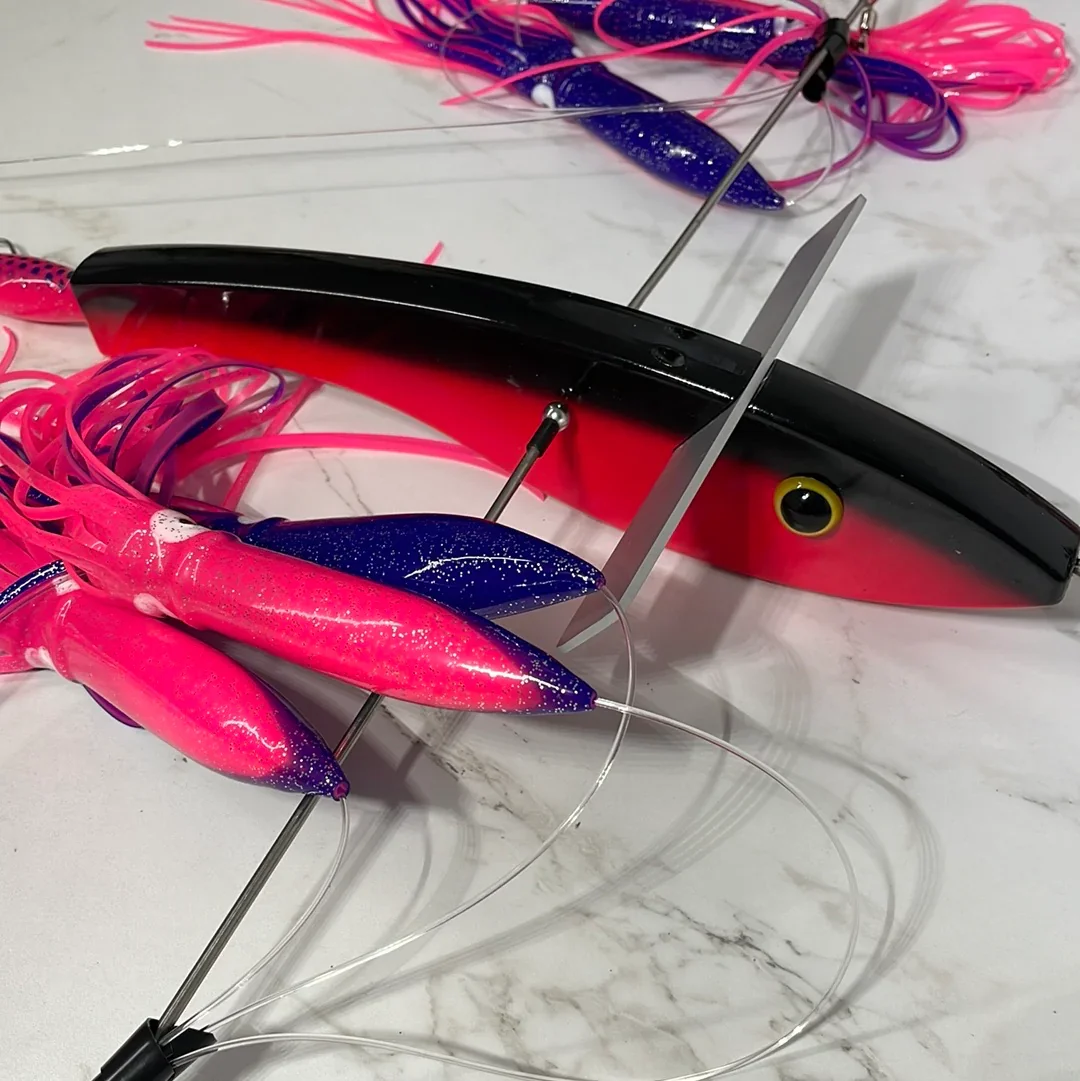
At first glance, a spreader bar looks almost too simple: a rigid bar, several teaser baits, and a single lure trailing behind. But in the water, it comes alive.
Spreader bars are designed to mimic a compact school of baitfish pushed to the surface — the exact scenario pelagic predators are programmed to attack. Depending on configuration, they can resemble:
Flying fish skipping just under the surface
Tight balls of sardines or anchovies
Small squid clustered near the top of the water column
The magic happens when a predator closes the distance. As the fish approaches the “school,” its focus shifts to the stinger bait trailing behind — the lone bait that appears slower, injured, or separated from the group. That’s the one that gets eaten.
Why Spreader Bars Work When Other Lures Don’t
Spreader bars aren’t about flash alone. They work because they trigger multiple predatory responses at once.
Visibility is the first advantage. A spreader bar moves a lot of water, throws multiple silhouettes, and remains easy to spot even in clear, calm offshore conditions.
Next comes competition. To a predator, a tight group of bait signals urgency — eat now or lose the opportunity. That sense of competition is what turns curious followers into committed attackers.
Finally, spreader bars separate attraction from the strike. The bar pulls fish into the spread, while the stinger provides a clean, obvious target. This dramatically reduces short strikes and increases solid hookups.
It’s a system, not just a lure.
Sizing the Stinger: Small Detail, Big Difference
Ask ten offshore anglers why their spreader bar isn’t getting bit, and half the time the answer comes down to the stinger.
The stinger should never blend in with the teasers — but it shouldn’t dwarf them either.
As a rule, the stinger should be slightly larger and more pronounced than the teaser baits on the bar. This contrast is what makes it stand out as the easiest meal in the group.
A practical guideline:
Teasers in the 6–9 inch range pair well with a 7–9 inch stinger
Larger 9–12 inch teasers call for a stinger in the same range
When the proportions are right, predators don’t hesitate. When they’re wrong, fish often slash at the bar and fade away.
Teaser or Hook-Up Bait?
One of the biggest advantages of spreader bars is their versatility. They can be fished either as a hook-up lure or strictly as a teaser — and both approaches have their place.
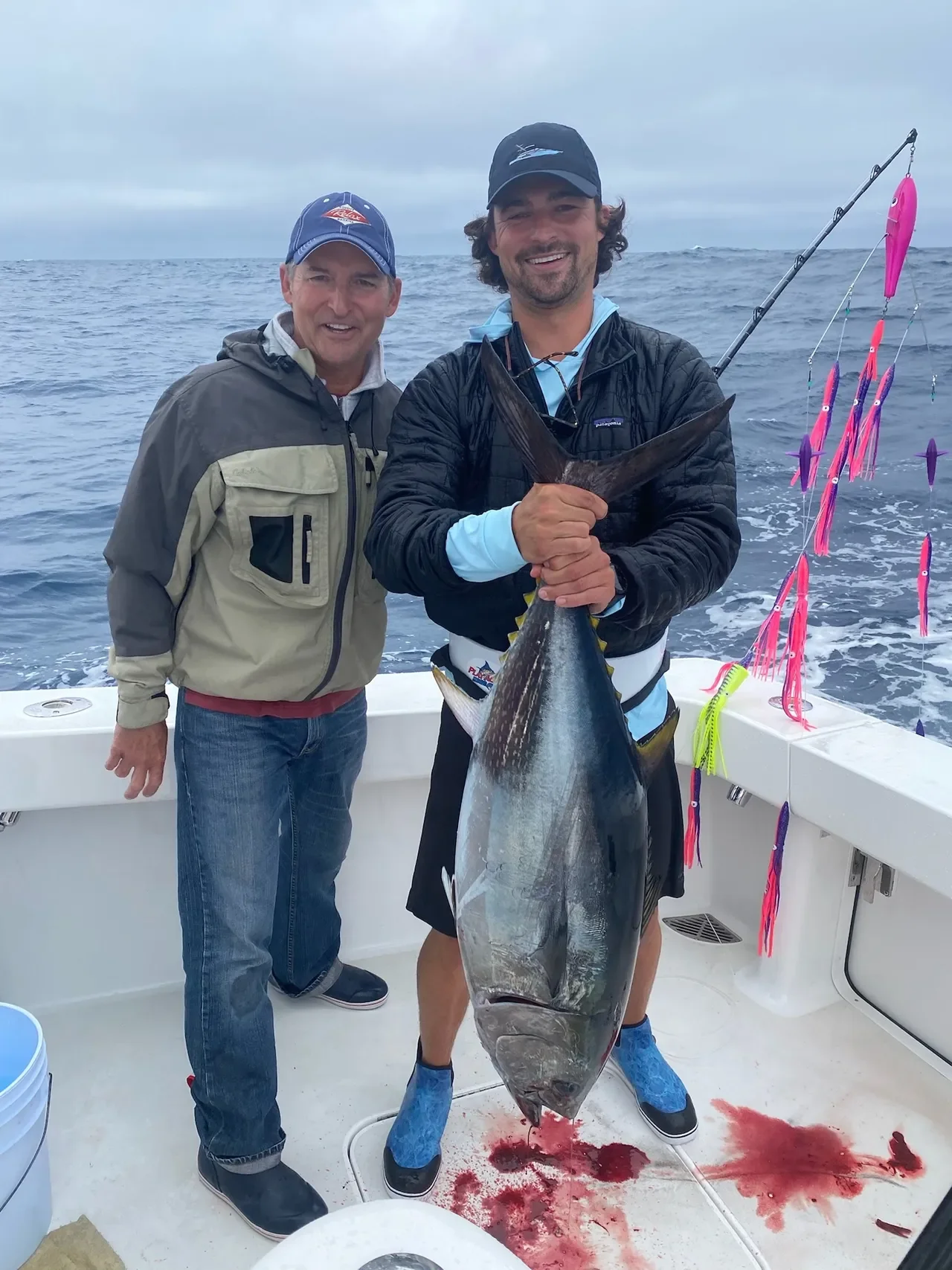
Hooked spreader bars shine when targeting mahi mahi, yellowfin, bluefin, and other pelagics that readily commit to a trolling lure. They’re simple, effective, and deadly when fish are actively feeding.
Teaser-only spreader bars are a favorite among billfish anglers. With no hooks in the bar, fish can be raised aggressively and kept interested while a pitch bait or live bait is presented. This setup is especially popular in tournament fishing, where clean presentations matter.
Choosing between the two isn’t about right or wrong — it’s about strategy.
Where Spreader Bars Belong in the Spread
Placement is everything. A spreader bar that’s tumbling or buried in prop wash won’t do its job.
Most anglers deploy spreader bars from the short or long riggers, where they can ride cleanly on the surface and remain highly visible. Run them far enough back — typically 60 to 120 feet — so they work naturally without interfering with other baits.
When fished as a teaser, a center placement just behind the wake can be devastating, especially when a pitch bait is ready. The key is balance. A spreader bar should enhance the spread, not dominate it.
Spreader Bar Placement for Marlin
When marlin are the target, spreader bars are less about the hookup and more about control. Their primary job is to raise fish, keep them engaged, and pull them into a position where a clean bite can happen. For most marlin spreads, the spreader bar belongs in a short rigger or center teaser position, riding just outside or on the edge of the prop wash. From this angle, the bar is highly visible but not overwhelmed by turbulence, creating the impression of bait being pushed up and scattered by the boat.
Rigged as a hookless teaser, the bar should run far enough back to be clearly defined — typically 80 to 120 feet — and tuned so it stays on the surface without tumbling. When a marlin shows, the bar becomes a steering wheel. Subtle speed changes or small turns can keep the fish lit up and focused, allowing the crew to drop back a pitch bait or switch with confidence.
In this role, the spreader bar isn’t just attracting fish — it’s dictating how they behave in the spread.
Sidetracker Spreader Bars for Bluefin in the Bluewater
Bluefin tuna are a different game entirely. They’re fast, powerful, and often feeding on wide, dispersed schools of bait. This is where sidetracker spreader bars shine.
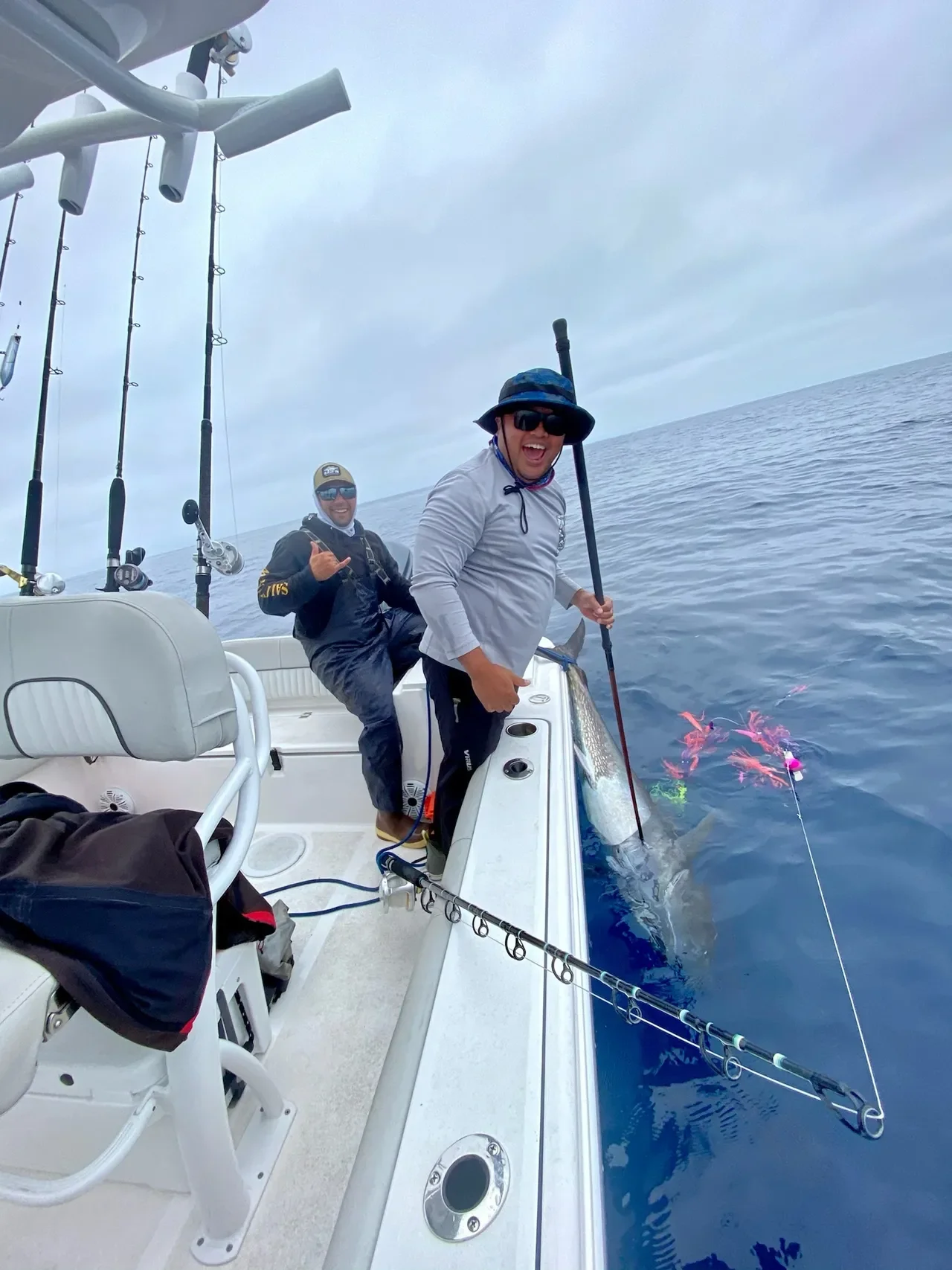
Running a spreader bar from a sidetracker or planer board pushes the presentation well outside the wake, covering water that traditional rigger baits never touch. In clear bluewater, this wide placement can be the difference between being ignored and getting crushed.
For bluefin, sidetracker bars are typically fished as hook-up baits, paired with a properly sized stinger and heavier leader. They work especially well when tuna are shy of the boat or when fish are keyed in on flying fish or surface-oriented bait. Distance is critical. Most anglers run sidetracker bars 100 feet or more behind the board, allowing the bar to swim cleanly in undisturbed water. The result is a natural, unpressured presentation that bluefin commit to aggressively. When conditions are right, a sidetracker spreader bar doesn’t just get bit — it often gets bit first.
A Permanent Place Offshore
Spreader bars have stood the test of time for one simple reason: they work. They don’t rely on gimmicks or trends — they exploit natural feeding behavior that hasn’t changed in millions of years. Rig them correctly, size the stinger with intention, and place them thoughtfully in the spread, and they’ll continue to raise fish long after other lures come and go. In offshore fishing, that kind of consistency is hard to beat.